
Building a Green Africa: Sustainable Solutions for a Better Future
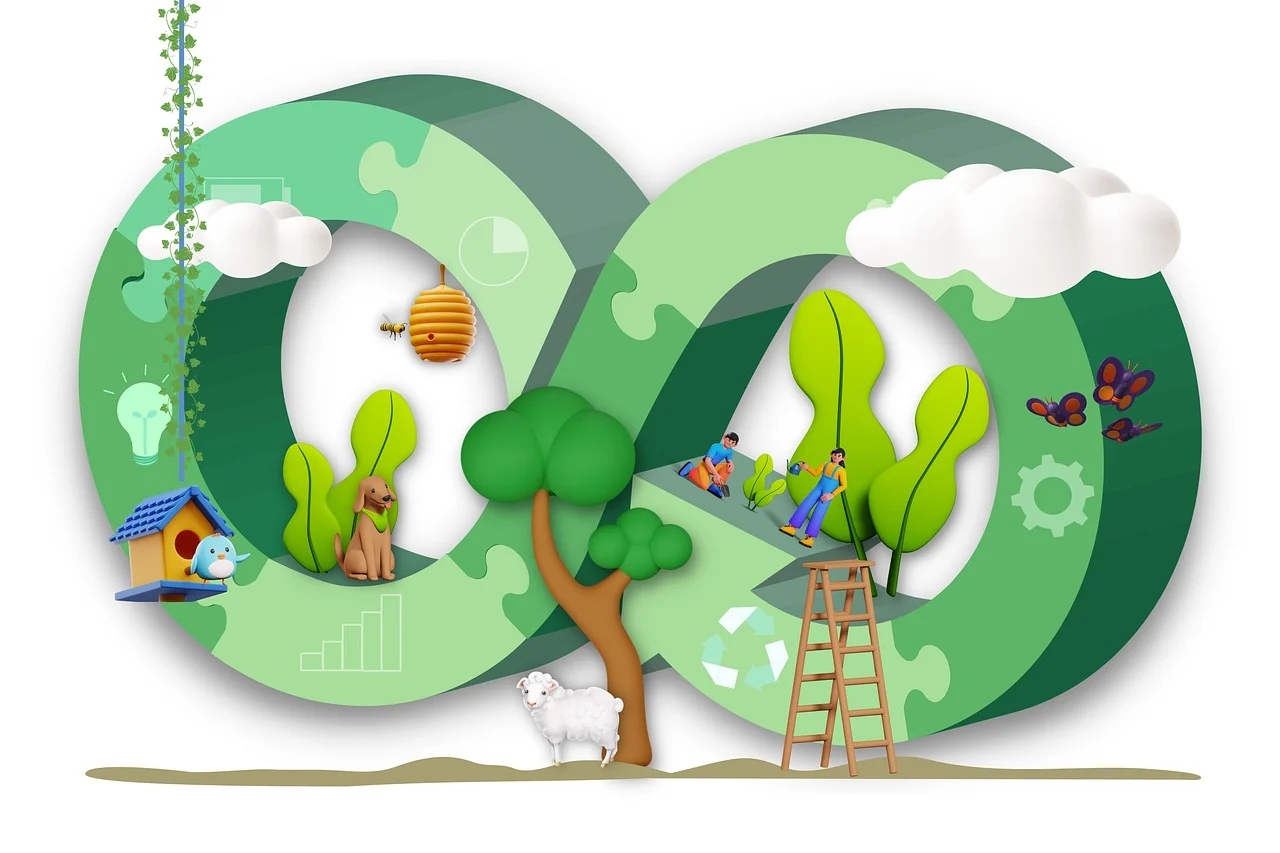
Africa is facing significant environmental challenges, including deforestation, land degradation, water scarcity, and climate change. However, the continent is also home to some of the world’s most innovative and sustainable solutions. As African nations work toward a greener future, the focus on sustainable practices has never been more important. Building a Green Africa involves embracing renewable energy, sustainable agriculture, and responsible resource management to protect the environment while fostering economic development and improving the quality of life for millions of people.
The Importance of a Green Africa
- Preserving natural resources for future generations while ensuring economic growth.
- Combating climate change by reducing carbon emissions and promoting green technologies.
- Protecting biodiversity and ecosystems, which are crucial to food security, medicine, and cultural heritage.
- Creating green jobs and improving livelihoods by investing in sustainable industries such as renewable energy and eco-tourism.


Sustainable Solutions for a Greener Africa
To build a green Africa, several sustainable solutions must be embraced. These include renewable energy, sustainable agriculture, and responsible waste management. Here are some of the key solutions driving Africa toward a more sustainable future:
- Renewable Energy: Africa has enormous potential for renewable energy, particularly solar and wind. By investing in these clean energy sources, the continent can reduce its dependence on fossil fuels and create a more sustainable energy future.
- Sustainable Agriculture: Transitioning to sustainable farming practices that focus on soil conservation, organic farming, and water-efficient techniques can enhance food security, protect the environment, and improve farmers' livelihoods.
- Waste Management and Recycling: Proper waste management and recycling initiatives can reduce pollution, conserve resources, and create jobs in the recycling sector.
- Reforestation and Afforestation: Large-scale tree planting and forest restoration programs are essential for restoring ecosystems, improving biodiversity, and combating deforestation.
"A Green Africa is not only a cleaner, healthier place; it’s also a place of opportunity—where sustainable practices drive economic growth and improve lives."
Case Studies: Green Africa in Action
Across Africa, there are inspiring examples of sustainable solutions that are making a positive impact:
- Solar Energy in Kenya: Kenya has become a leader in solar energy, with numerous rural communities gaining access to clean, affordable power through solar micro-grids and home systems.
- Sustainable Agriculture in Ethiopia: In Ethiopia, farmers are using organic farming techniques and climate-smart agriculture to increase yields, conserve water, and protect the environment.
- Reforestation in Madagascar: Madagascar has launched large-scale reforestation projects to combat deforestation and restore critical habitats for wildlife.
- Green Building in South Africa: South Africa is leading the way in green architecture, with numerous energy-efficient and eco-friendly buildings now being constructed in major cities like Cape Town and Johannesburg.
Challenges to Building a Green Africa
Despite the immense potential for a green future, Africa faces several challenges that must be addressed to build a more sustainable continent:
- Limited Access to Technology: Many African countries face challenges in accessing the latest green technologies and infrastructure needed to implement sustainable solutions.
- Climate Change Impacts: Africa is highly vulnerable to the effects of climate change, including droughts, flooding, and changing weather patterns, which affect agriculture and natural resources.
- Funding and Investment: A lack of sufficient financial support and investment in green projects makes it difficult for many countries to scale up sustainable practices and achieve long-term environmental goals.
- Political Will and Governance: Effective policies, strong leadership, and good governance are essential for driving sustainability efforts, yet political instability and lack of effective governance hinder progress in some regions.
Conclusion: A Sustainable Future for Africa
Building a Green Africa is not just an environmental goal—it is a pathway to a more sustainable, prosperous, and equitable future. By embracing sustainable solutions in energy, agriculture, waste management, and reforestation, Africa can overcome its challenges and create a brighter future for its people and the planet. Governments, businesses, and individuals must work together to prioritize sustainability and drive the transition to a green economy. With the right commitment and investment, Africa has the potential to become a global leader in environmental sustainability.