
From Charity to Sustainability: Africa’s Shift Toward Self-Reliance
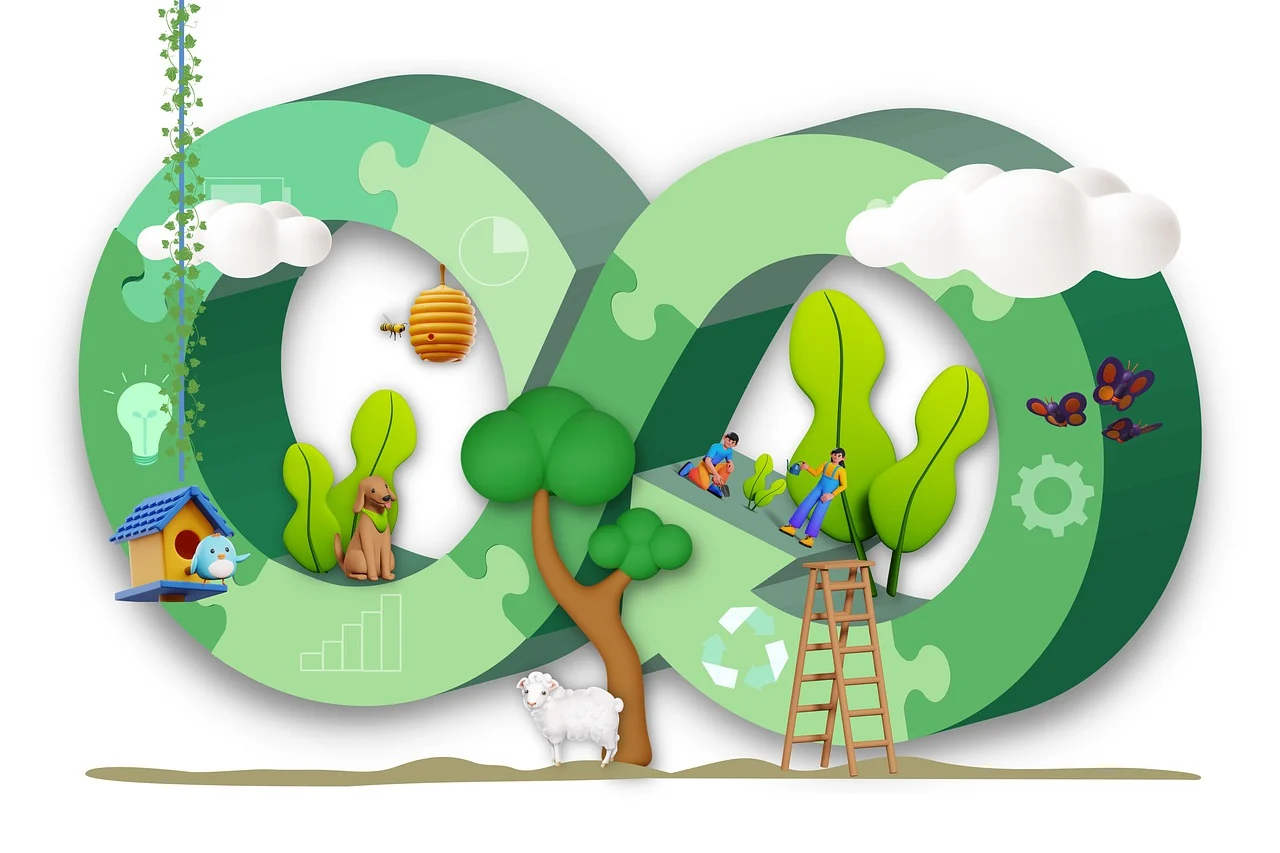
Africa has long been associated with receiving humanitarian aid, but the narrative is shifting. More and more African countries are moving from a dependence on charity and aid toward a future of self-reliance, sustainability, and economic independence. This transformation is powered by a combination of local entrepreneurship, innovation, strong leadership, and a growing focus on sustainable development practices. Through these efforts, Africa is charting a new path toward prosperity, reducing reliance on external aid while building resilience against challenges such as climate change, poverty, and inequality.
The Changing Landscape of Aid and Charity in Africa
- Africa has historically been the largest recipient of global aid, but this model is evolving towards greater self-sufficiency.
- The continent is focusing on creating sustainable solutions that address its own unique challenges, reducing dependency on external aid.
- The increasing emphasis on local solutions is shifting the narrative from "charity" to "empowerment" and "self-reliance."
- International organizations and governments are supporting Africa’s transition to self-sufficiency by investing in local initiatives and businesses.


Key Drivers of Africa’s Shift to Sustainability
Several key factors are driving this transition toward sustainability and self-reliance in Africa:
- Entrepreneurship and Innovation: Africa’s young and dynamic population is embracing entrepreneurship, with local businesses creating innovative solutions to address the continent’s challenges in areas such as energy, agriculture, and healthcare.
- Renewable Energy: African countries are investing in renewable energy solutions like solar and wind power to meet their energy needs sustainably, reducing reliance on imported energy and mitigating environmental impacts.
- Local Investment: There is a growing interest from both African governments and international investors to support local businesses and startups that promote sustainable development and job creation.
- Strong Leadership and Policy Changes: African governments are increasingly prioritizing sustainable development in their policies, creating the right environment for businesses and communities to thrive independently.
"True development in Africa is about creating opportunities for people to improve their lives and communities. Sustainability is the key to long-term growth and self-reliance."
Examples of Africa’s Shift Toward Self-Reliance
Across Africa, there are numerous examples of initiatives that demonstrate the continent’s shift toward self-reliance and sustainability:
- Social Enterprises: Companies like Green Energy Africa and M-KOPA Solar are empowering African communities by providing sustainable energy solutions through affordable solar power.
- Agricultural Innovation: Platforms like Twiga Foods in Kenya and Farmcrowdy in Nigeria are revolutionizing agriculture through technology, ensuring food security, improving supply chains, and boosting local economies.
- Water and Sanitation Projects: Companies like WaterHealth International and the African Water Facility are working to improve access to clean water and sanitation through innovative, locally-driven solutions.
- Education and Capacity Building: Programs like the African Leadership Academy and local vocational training initiatives are equipping young Africans with the skills needed to succeed in a rapidly changing world.
Challenges to Achieving Self-Reliance
Despite the progress being made, there are several challenges that Africa faces in fully achieving self-reliance and sustainability:
- Infrastructure Deficits: Inadequate infrastructure in areas such as transportation, energy, and technology hampers development and self-sufficiency efforts.
- Poverty and Inequality: Widespread poverty and inequality still pose significant obstacles to achieving sustainable growth and self-reliance in many regions of Africa.
- Climate Change: The continent’s vulnerability to the effects of climate change, such as droughts, floods, and desertification, requires innovative solutions to build resilience.
- Political Instability: Political challenges and governance issues in some African countries can undermine efforts to create sustainable economic growth and self-reliance.
Conclusion: A Future of Self-Reliance and Sustainability
Africa’s shift toward sustainability and self-reliance is an exciting and transformative journey that promises a future of economic independence, resilience, and growth. By investing in local solutions, fostering entrepreneurship, and prioritizing sustainability, African nations are setting the stage for long-term development that can help them break free from the cycle of aid dependence. As Africa continues to take charge of its own future, it will serve as a model for other regions of the world striving for sustainable development and self-sufficiency.